
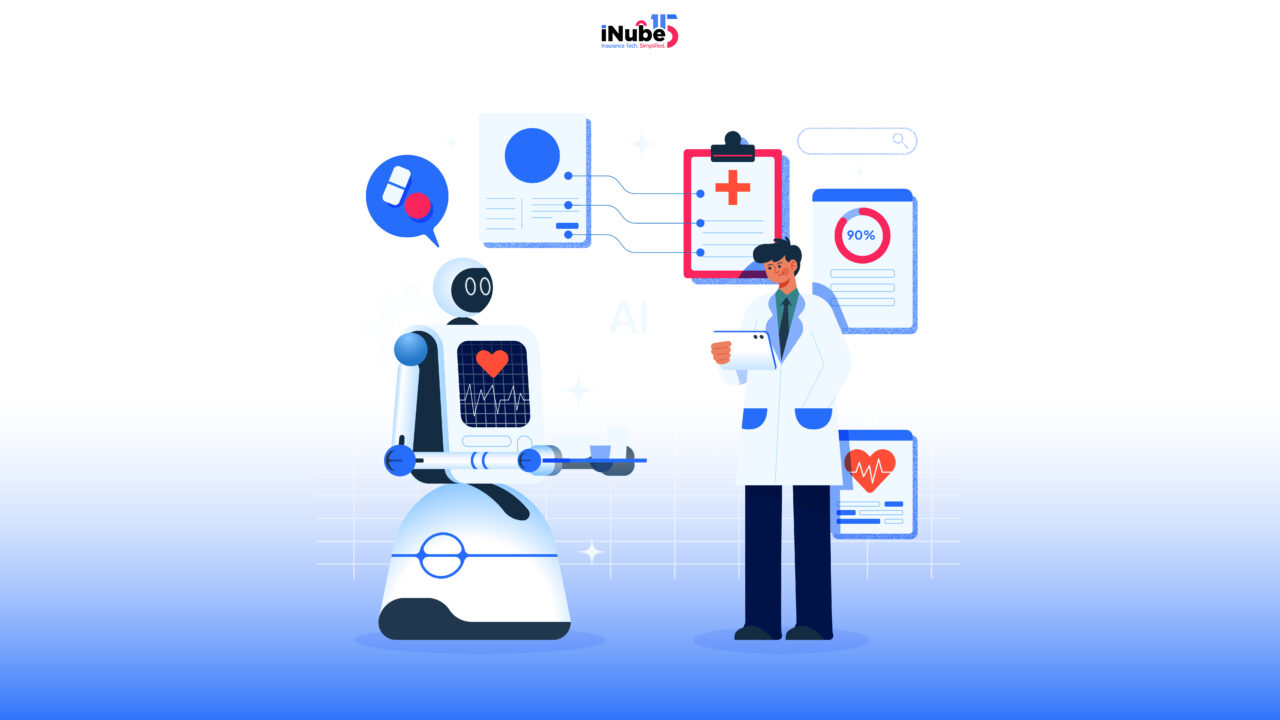
The Health insurance system in India is quietly going through one of its biggest structural changes in decades.
The National Health Claims (NHCX) program and the Ayushman Bharat Digital Mission’s digital infrastructure are examples of government efforts. The General Insurance Council is also working with the industry to create a common hospital empanelment system. AI/ML models are getting better and better all the time, which is making the insurance ecosystem much more interoperable and standardized.
But what does this mean for systems that manage providers?
Here’s the shift happening beneath the surface:
- Infrastructure Layer – Interoperable Claims Ecosystem
Here’s what’s going on behind the scenes:
Infrastructure Layer: Claims Ecosystem That Works Together
In the past, each insurance company had its own network of providers, process for empaneling new ones, and way to talk to people about claims.
NHCX and other platforms like it want to be national exchanges where hospitals, TPAs, and insurers can talk to each other using standardized APIs. The long-term goal is to be like UPI for health insurance claims.
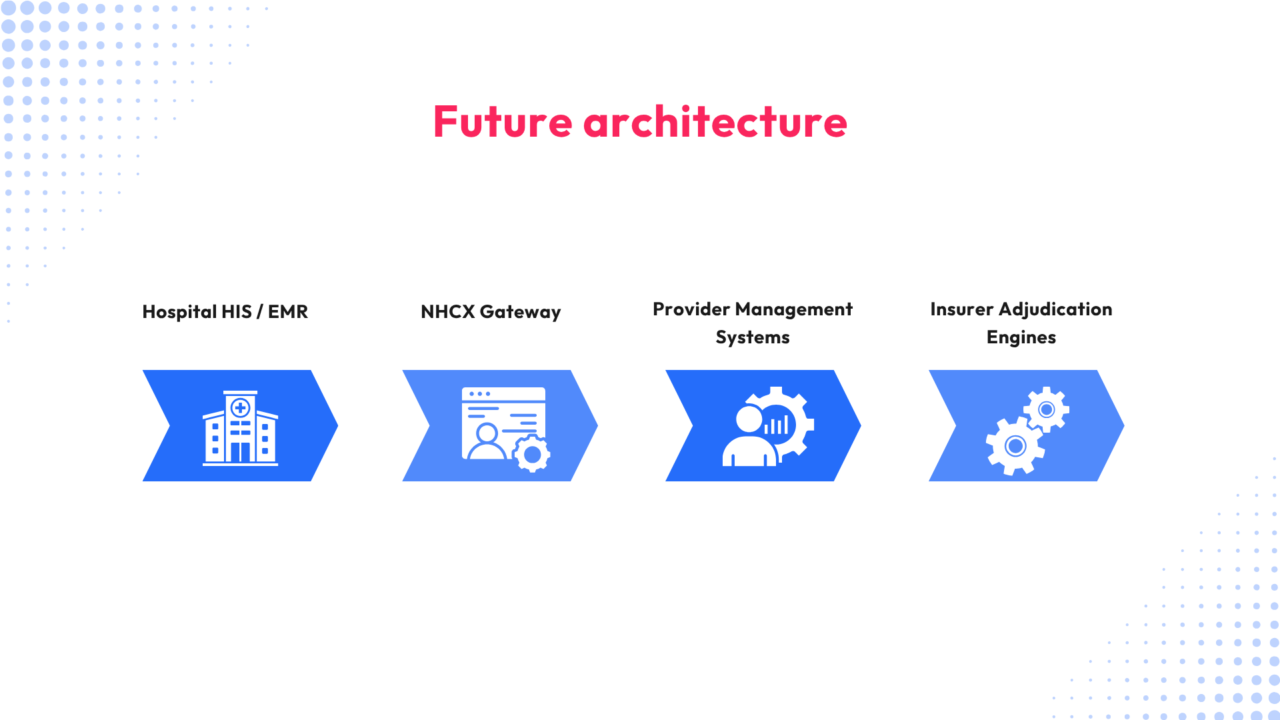
In real life, this will mean:
fully digital submission of pre-authorization and claims, as well as standardized data structures for clinical and billing information
sending all claims through a national digital platform
This means that insurers will have to manage nodes within a national infrastructure instead of keeping separate hospital networks.
- Data Layer: Provider Intelligence That Is the Same
Provider management is changing from databases that only work with one insurer to a central provider registry with shared empanelment layers.
This kind of ecosystem will probably include:
- Registry of National Providers
- Standards for accreditation and credentials
- ICD (diagnosis codes) and CPT (procedure codes) are examples of global medical coding standards.
- Comprehensive and standardized provider profiles with risk scoring
- Rate setting
This will let you analyze provider performance, optimize networks, and compare costs, which will turn provider networks into data-driven networks instead of relationship-driven ones.
- Decision Layer – Automated Claims Adjudication
India has a long history of poorly organized clinical billing. Insurers can use AI more and more with structured data to:
- show unusual billing patterns in real time.
- make sure that the diagnosis and procedure are the same.
- automate a lot of the claims review process.
- get information about the health of a population.
This will cause big changes in how things work by:
- cutting down on manual work and allowing claims to be decided right away
- moving from post-payment audits to pre-adjudication prevention to find fraud, waste, and abuse
- moving insurers into managing the quality of care, not just processing payments
- making provider management systems into advanced analytics platforms
But this change makes me think of an important question.
If provider networks rely too much on data, will it be hard for small clinics and rural hospitals to stay in the ecosystem?
The size of a hospital often has something to do with how mature it is digitally. If there are no protections in place, technology could unintentionally put care in the hands of big hospital chains.
The worst thing to do would be to make all providers follow the same rules for digital and compliance. The ecosystem should instead come up with tiered participation models. Example:
| Provider Tier | Examples | Requirements |
| Tier 1 | Corporate hospitals | Full coding, EHR integration |
| Tier 2 | District hospitals / mid-sized clinics | Basic coding + structured claims |
| Tier 3 | Small clinics / individual doctors | Simplified claim formats |
This will let small providers stay in the network without having to do too much paperwork.
Another way to make sure that growth is fair is to change the care model to focus on primary care, give small providers incentives to be the first place patients go, and give away free, easy-to-use digital tools.
Small providers should not have to buy expensive hospital IT systems in order to be part of insurance networks. So, in the future, the government could give small providers hospital software, like:
- lightweight clinic management systems
- automated medical coding assistance
- NHCX claim submission interfaces
- telemedicine integration
Regulators such as IRDAI will also play a role, in making sure that networks do not turn into hospital monopolies controlled by big companies. They can do this by
- making sure there is a variety of networks
- making prices clear
- stopping exclusion rules
- setting up a way for providers to solve problems
The main challenge is not creating better insurance systems.
It is making sure that the system gets more efficient easier to access and fair as it changes.
The system should not just get smarter. Also make sure everyone gets a fair deal.
We need to make sure of these three things. Efficiency, accessibility and equity. Improve together.