

For decades, the Commercial insurance has is having its own ‘Jarvis moment.’
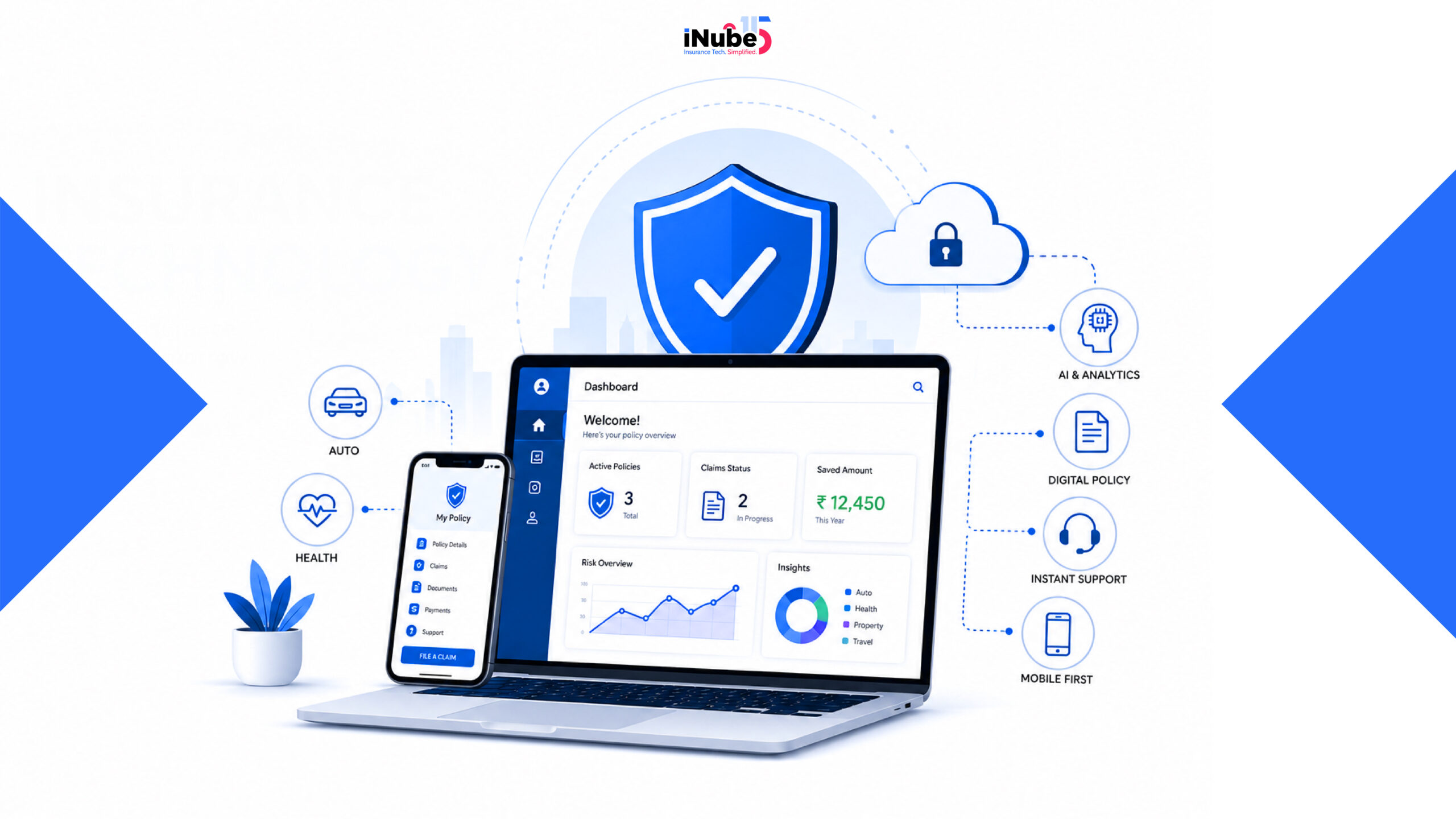
With insurance technology, Commercial insurance has essentially relied upon intelligent technology for predicting threats, automating decisions, and staying ahead of the chaos. The commercial insurers today are increasingly turning towards AI, automation, and analytics for navigating in an increasingly complex risk landscape. The industry that was essentially associated with endless paperwork, delayed underwriting, and fragmented operations is now drastically changing.
Why is technology investment becoming critical in Commercial Insurance
Commercial insurance largely deals with the increasingly complex risks, evolving regulations, and rising customer expectations. The traditional systems are still struggling to keep pace with modern business demands.
Technology isn’t a new innovation in the market today, but its strategic leverage continues to be one. The commercial insurers are empowered to accelerate the underwriting decisions, improve the claims processing accuracy, and enhance the customer and the broker experiences, followed by multiple other operational benefits.
Underwriting is unlocking its complete potential
The AI-powered underwriting models are well capable of analyzing the massive volumes of structured and unstructured data in real-time. This essentially empowers the insurers to assess the risks more accurately, reduce manual intervention, speed up policy issuance, and personalize premium pricing.
Why is automation essential for operational efficiency?
Automation essentially minimizes the repetitive manual tasks across policy administration, claims handling, and customer servicing.
The key benefits of it essentially include faster turnaround times, lower processing costs, reduced human errors and much better compliance management.
Additionally, for Commercial insurers handling large-scale enterprise policies, automation is becoming much more indispensable.
How does predictive analytics strengthen risk management?
Predictive analytics enables the insurers to anticipate risks before they even occur. By seamlessly analyzing the historical claims data, customer behavior, and external risk indicators, the insurers will be able to improve decision-making significantly.
This helps the insurers to reduce claims losses, improve portfolio profitability, and enhance catastrophe modeling, followed by offering proactive risk prevention services.
Why are omnichannel platforms gaining momentum?
As risk management gets strengthened with technology and automation, businesses today are expecting seamless interaction across multiple channels. With the omnichannel platforms, the insurers, brokers, and agents operate within a unified digital ecosystem.
This is further empowering the insurers to improve customer onboarding, policy servicing, renewal management, and amplify cross-selling opportunities.
What the future holds for insurance technology today
The future of Commercial insurance will be extremely technology driven and the insurers who are investing strategically in AI, automation, analytics and digital distribution will be much better positioned to seamlessly navigate through the evolving market demands.
The emerging technologies such as generative AI, Embedded insurance, IoT-based risk monitoring and intelligent claims ecosystems will be seamlessly reshaping the industry landscape. As the move towards technology becomes a regular part of the operational process, Commercial insurers will no longer be just competing on pricing. Instead, they will be competing on speed, intelligence, and customer experience.
Why are ecosystems partnerships becoming important?
Technology investments are essentially helping the insurers to collaborate with fintech, Insurtech and enterprise platforms for expanding the reach and improving accessibility. These are the partnerships that would essentially help the insurers to reach new heights in customer engagement and build scalable digital ecosystems.
What’s ahead?
Technology investment will no longer be optional for the Commercial insurers. Instead, it will become the foundation for sustainable growth, operational resilience, and customer-centric innovation. As the risks become more dynamic, customer expectations will continue to rise. The insurers who will be embracing digital transformation will be leading the next era of Commercial insurance.