

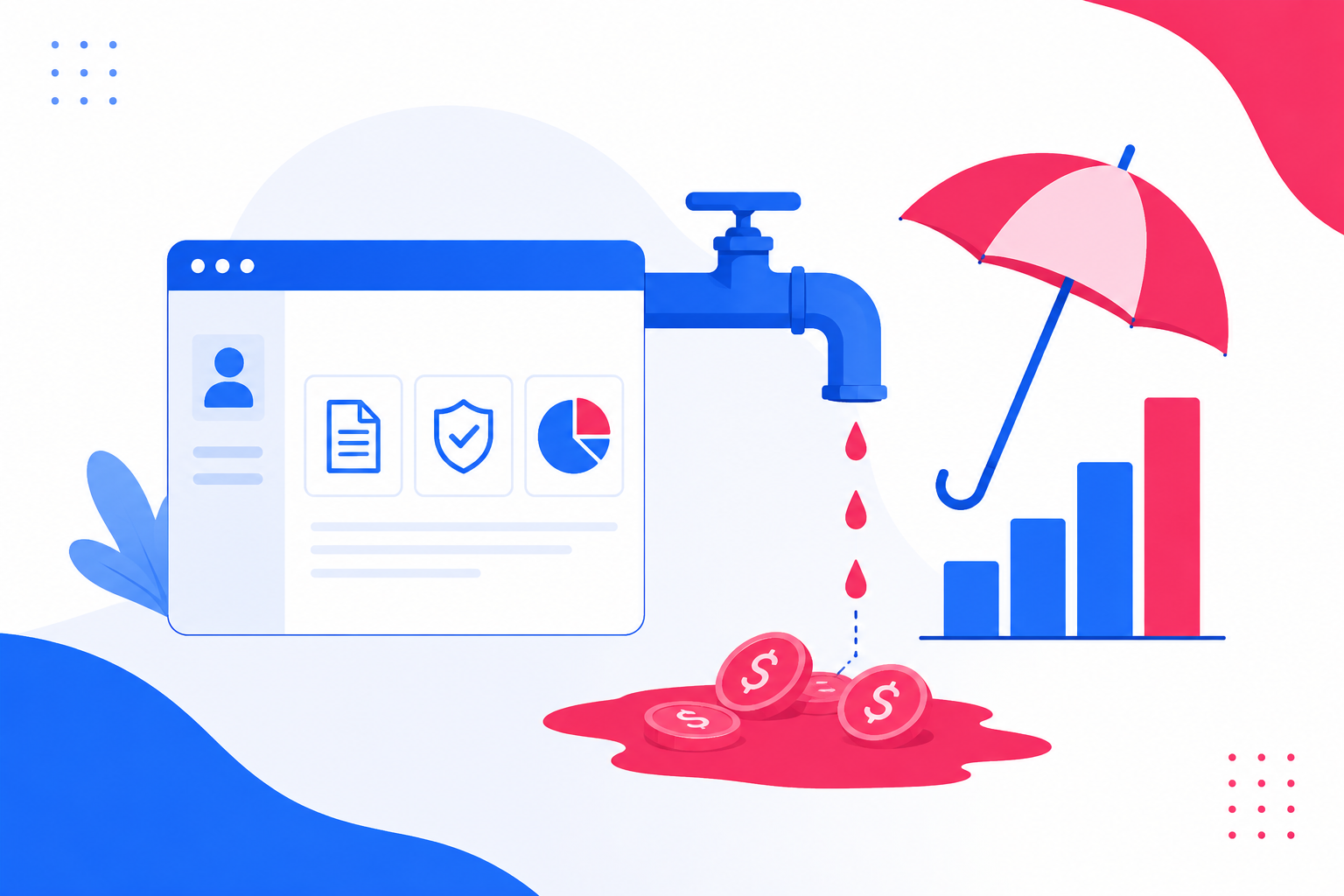
Every operational roadblock looks fine from the surface, but, as you dig deeper, you understand that everything that meets the eye is true. This is exactly where most insurers don’t realize how much an outdated policy can significantly drain their operational efficiency until they sit down and add up the numbers. It is rarely one big expense, and as a result there is a slow accumulation of manual workarounds, delayed launches, and lost customers that never show up as a single line item on a budget sheet. At this stage, understanding the warning signs early on makes a big difference in operational productivity.
Signs your policy administration system can cost you more than you think
Here are the signs that your policy administration system can cost you more than you think:
Product launches take months instead of weeks
In a competitive insurance market, the speed to market often decides who builds a lasting relationship with the customer. If launching a new product or updating an existing one requires weeks of IT involvement. This includes custom coding or testing cycles and ultimately involves making your policy administration system hold back.
The modern insurance technology is built for configurability. The business teams should be able to adjust the rating rules, coverage options, and the underwriting logic without having to wait in a development queue. When every miniscule change requires a developer intervention, you are not just wasting time. Nearly 45% of insurers and system users report implementation cycles that stretch beyond 18 months when working with legacy architecture. Instead, you are losing market share to the competitors who move faster.
Reliance of the team on manual workarounds
Spreadsheets, email chains, and manual data entry are some of the common symptoms of a system that are not capable of keeping up with the operations. When the policy administration system does not support the workflows that are actually helpful for the team, the employees would build their own fixes to get the job done.
These are the workarounds that feel harmless at first; however, they introduce errors, slow down the processing times, and create compliance tasks. Every manual task adds to the hidden labor cost. The hours which are spent double-checking data or re-entering information into multiple systems can add up quite fast, even if they do not contribute to being a direct system expense.
Integration with other tools is a constant struggle
Insurance management today heavily depends upon a connected ecosystem, and this includes CRM platforms, billing systems, claims software, and data analytics tools, all of which need to sync with each other to respond proactively without causing any operational slag. If your policy administration system requires custom middleware or manual data transfers to integrate with these tools, you will be paying for that complexity in developer hours and operational delays. A recent industry report found that 72% of insurers still rely on Excel or internally built tools to manage core insurance workflows, with more than half of policy workflows requiring some form of manual intervention.
Maintenance and IT supports keep climbing
The legacy policy administration systems often require specialized knowledge to maintain. As the developers who understand the original codebase retire or move on, finding support becomes harder and much more expensive. The custom patches pile up over the years, thereby making the system much more fragile and costlier to touch.
If your IT budget for maintaining the current systems keeps compounding every year, without adding new capabilities, that’s a clear sign of the platform, which has become a liability instead of an asset.
Customer experience is falling behind expectations
The policyholders today expect the same convenience from their insurer that they get from any other digital service, and this includes self-service portals, instant policy changes, fast claims updates, and much clearer communication. When your current system is incapable of supporting these expectations, customers notice, and many will switch to a competitor that offers a much smoother experience.
Reporting and analytics require extra effort
Seamless policy management depends upon accurate and timely data. If pulling up a report means exporting data manually, cleaning it up in a spreadsheet, and combining information from multiple fragmented systems, the system will be costing you valuable decision-making time.
Compliance and regulatory updates are a constant scramble
Insurance regulations are quite dynamic, and having a sound policy administration system is where the insurers can keep pace. If every regulatory update turns into a stressful project involving custom development and extensive testing, then there are a lot of unnecessary risks and costs that are involved. However, with a policy administration system backed by modern technology, the process becomes much more organized, involving form update procedures, rating rules, and compliance requirements across product lines.
What this means for your business
None of these signs exist in isolation. Slower product launches, manual workarounds, integration struggles, rising maintenance costs, weaker customer experience, and reporting delays and compliance scrambles usually happen together. These reinforce each other, and over time they quietly erode the margins, slow growth, and put pressure on teams that are already stretched thin.